

· By Lorea Lastiri
Best Supplements for Perimenopause Relief: What Really Works
Hot flashes. Mood swings. Brain fog. If you're in your 40s and suddenly wondering what's going on with your body, welcome to perimenopause.
Perimenopause is the transitional phase before menopause, and it can bring a wide range of changes due to fluctuating hormone levels. The good news is that there are ways to support your body during this stage.
While the supplement market is full of products making bold promises, some nutrients and herbal ingredients have been studied for their potential to support overall wellness during perimenopause.
In this guide, we'll explore research-backed supplements commonly used during perimenopause, how they may support specific concerns, and lifestyle habits that can help you feel your best.
1. Vitamin D3 and K2
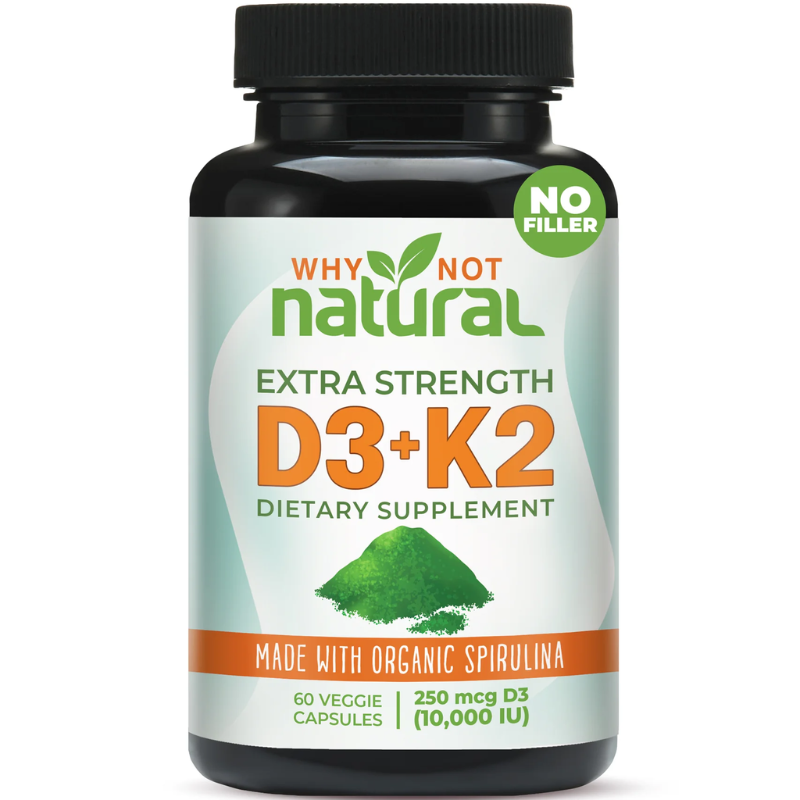
Vitamin D deficiency is common in women approaching menopause. Low vitamin D levels may affect bone health, mood, and overall well-being.
Combining vitamin D3 with vitamin K2 helps support proper calcium utilization. Vitamin D3 supports calcium absorption, while vitamin K2 helps direct calcium to bones as part of normal bone metabolism.
Vitamin D3 supports:
- Bone health
- Immune function
- Mood and overall wellness
Vitamin K2 supports:
- Proper calcium utilization
- Bone health
Why Not Natural's Organic Liquid Vitamin D3 + K2 offers a convenient liquid format for daily supplementation.
2. B‑Complex (All 8 B Vitamins)
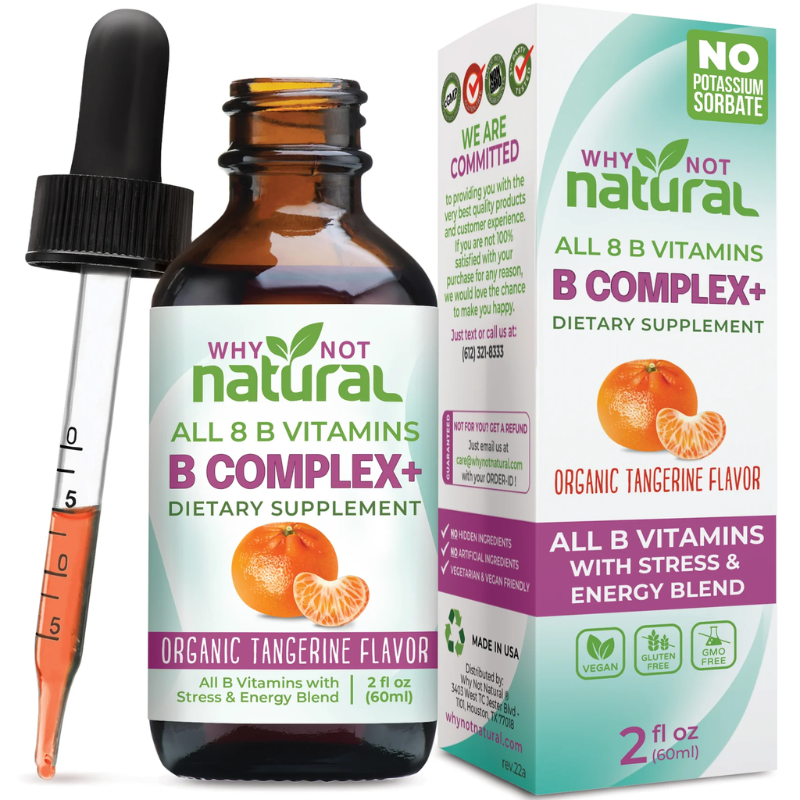
Feeling tired, mentally foggy, or stressed?
B vitamins play important roles in:
- Energy metabolism
- Nervous system function
- Brain health
- Hormone metabolism
A complete B-complex can help fill nutritional gaps and support daily energy production.
Why Not Natural's B-Complex+ Liquid contains all eight essential B vitamins in a liquid format designed for convenient use.
3. Magnesium (glycinate or citrate)
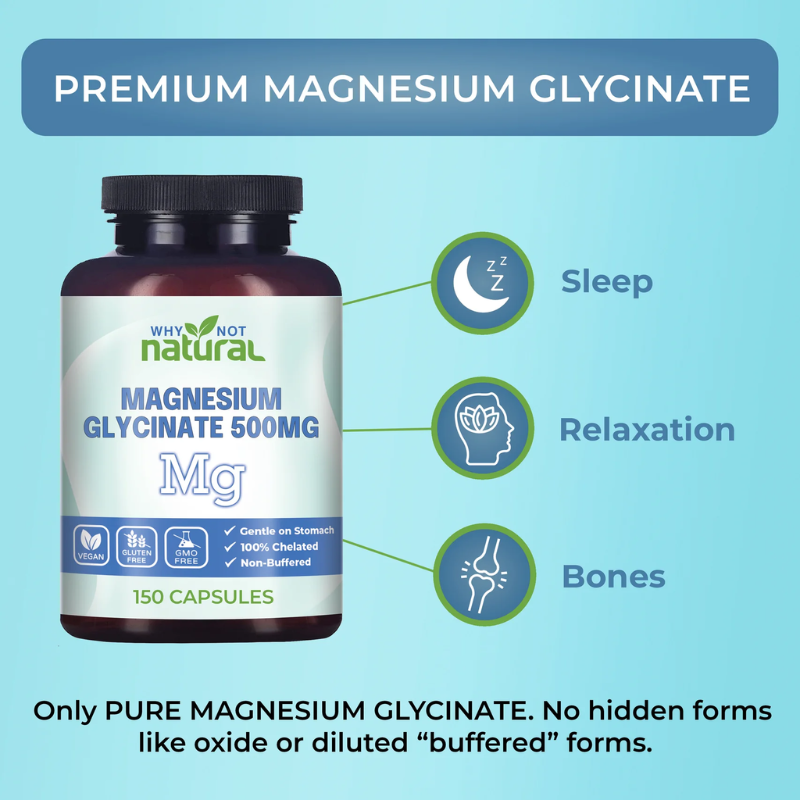
Magnesium is involved in hundreds of biochemical processes throughout the body.
It supports:
- Muscle function
- Nervous system health
- Relaxation
- Sleep quality
Many adults do not meet recommended magnesium intake through diet alone. Magnesium glycinate is often chosen because it is gentle on the stomach and commonly used as part of a relaxation-focused wellness routine.
4. Omega‑3 fatty acids (EPA + DHA)
Omega-3 fatty acids support:
- Heart health
- Brain function
- Healthy inflammatory response
- Overall wellness
EPA and DHA, found in fish oil and algae-based supplements, are commonly included in nutrition plans for healthy aging and cognitive support.
Some women also use omega-3 supplements to support skin and hair health.
5. Black cohosh

Black cohosh is one of the most widely studied herbs used during perimenopause and menopause.
Research has explored its use for supporting comfort during common menopausal experiences, including:
- Hot flashes
- Night sweats
- Mood-related concerns
Black cohosh does not contain hormones but may interact with pathways involved in menopausal symptoms.
6. Ashwagandha
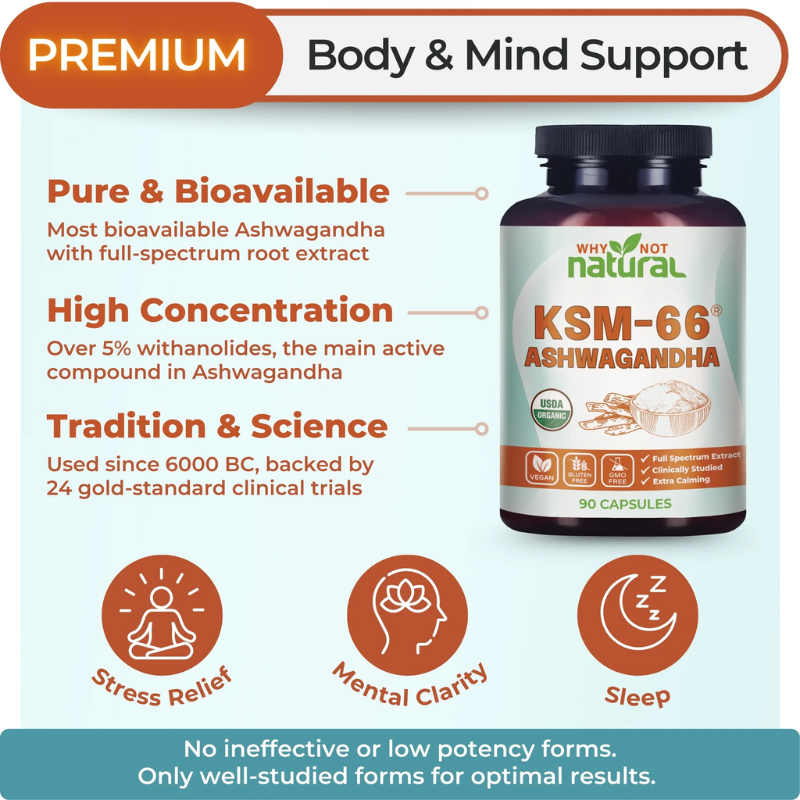
Ashwagandha is an adaptogenic herb traditionally used in Ayurvedic wellness practices.
It is commonly used to support:
- Stress management
- Relaxation
- Sleep quality
- Overall emotional well-being
Many women incorporate ashwagandha into their routines to help support resilience during periods of increased stress.
7. Red clover
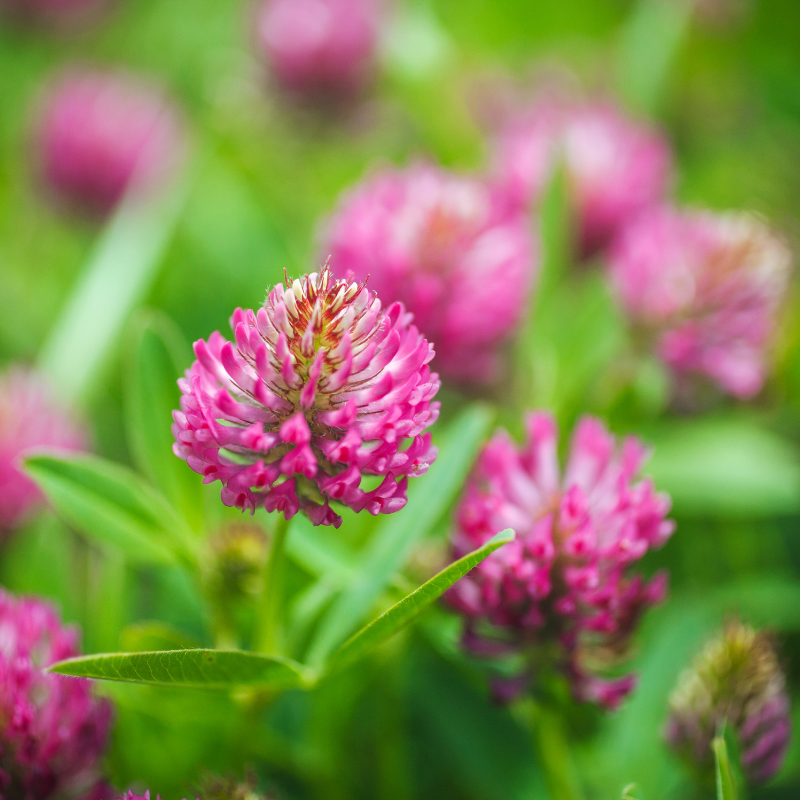
Red clover contains naturally occurring compounds called phytoestrogens.
Researchers have studied red clover for its potential role in supporting comfort during menopause-related changes, including:
- Hot flashes
- Sleep quality
- Overall well-being
As with all supplements, results can vary from person to person.
8. Rhodiola rosea
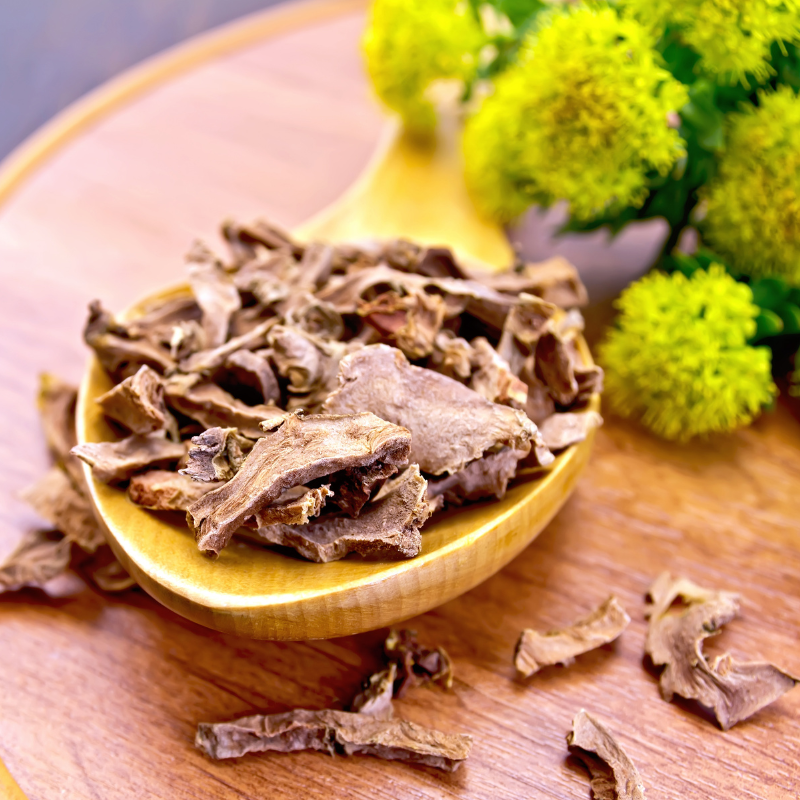
Rhodiola rosea is another adaptogenic herb known for supporting:
- Mental performance
- Energy levels
- Stress resilience
- Focus
It is commonly used by individuals experiencing occasional fatigue related to everyday stress.
9. Probiotics
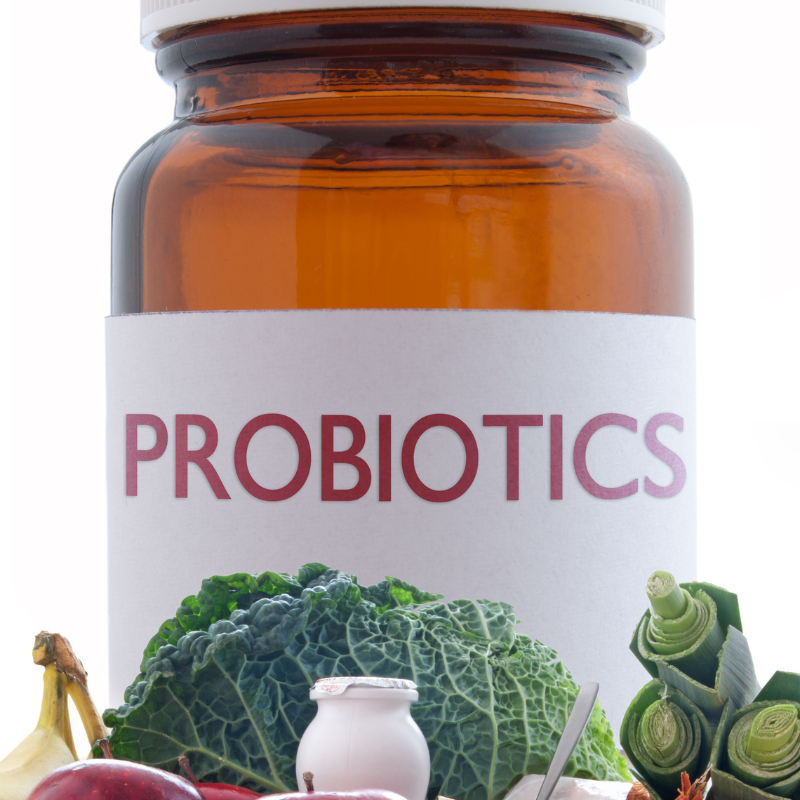
Hormonal changes can influence digestive health and the gut microbiome.
Probiotics help support:
- Digestive health
- Gut microbiome balance
- Immune function
A healthy gut microbiome also plays a role in overall wellness and hormone metabolism.
You may also like: What Are Probiotics? Here's What You Need to Know.
10. L-Theanine

L-theanine is an amino acid naturally found in green tea.
It is commonly used to support:
- Relaxation
- Calm focus
- Stress management
Unlike some relaxation supplements, L-theanine is generally used without promoting drowsiness.
11. DIM (Diindolylmethane)
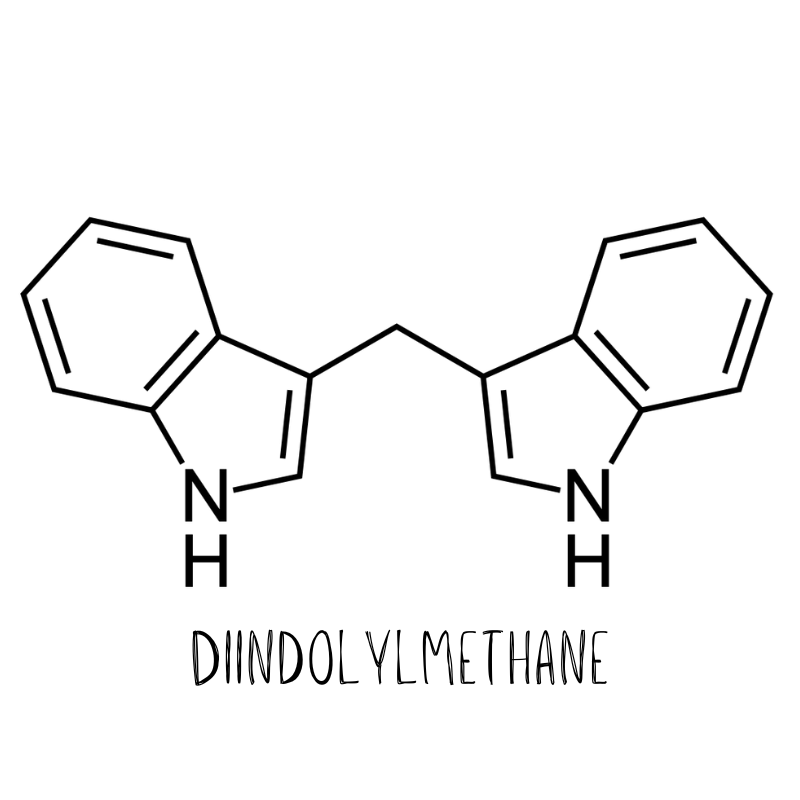
DIM is a naturally occurring compound derived from cruciferous vegetables such as:
- Broccoli
- Brussels sprouts
- Cabbage
- Kale
DIM is commonly used to support healthy estrogen metabolism and hormone balance as part of a healthy lifestyle.
12. Evening Primrose Oil
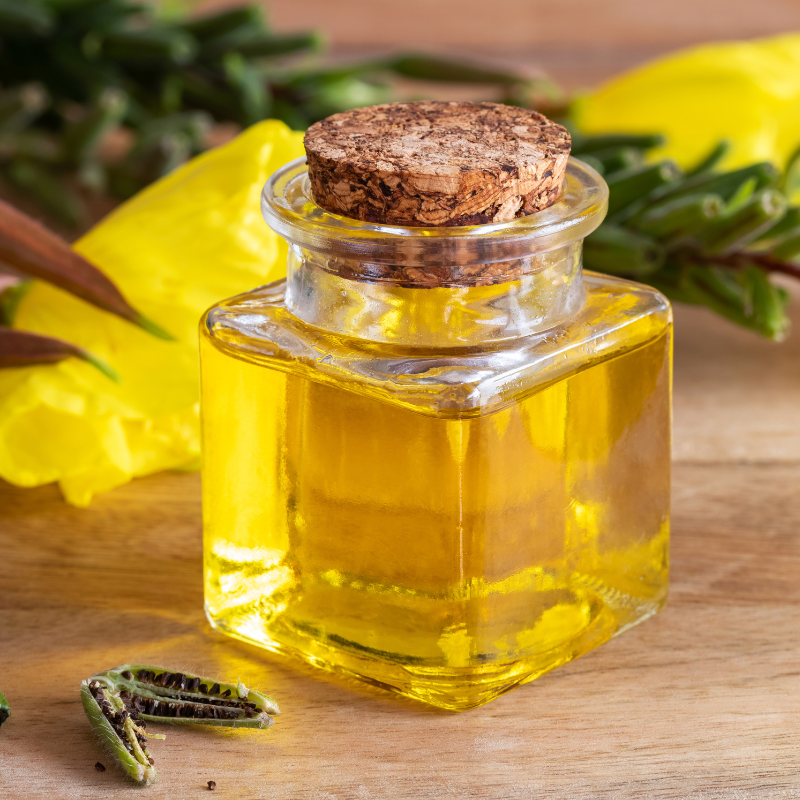
Evening primrose oil contains gamma-linolenic acid (GLA), an omega-6 fatty acid.
GLA supports:
- Skin health
- Healthy inflammatory response
- Overall wellness
Many women use evening primrose oil as part of their self-care routines during hormonal transitions.
13. Chasteberry (Vitex Agnus-Castus)

Chasteberry has a long history of traditional use for women's health.
It is commonly used to support:
- Hormonal balance
- Menstrual cycle wellness
- General reproductive health
Women experiencing cycle irregularities often explore chasteberry as part of a broader wellness plan.
14. Melatonin
Sleep can become more challenging during perimenopause.
Melatonin supports:
- Healthy sleep cycles
- Circadian rhythm regulation
- Occasional sleep difficulties
Many people choose low-dose melatonin to support healthy sleep habits.
15. Zinc
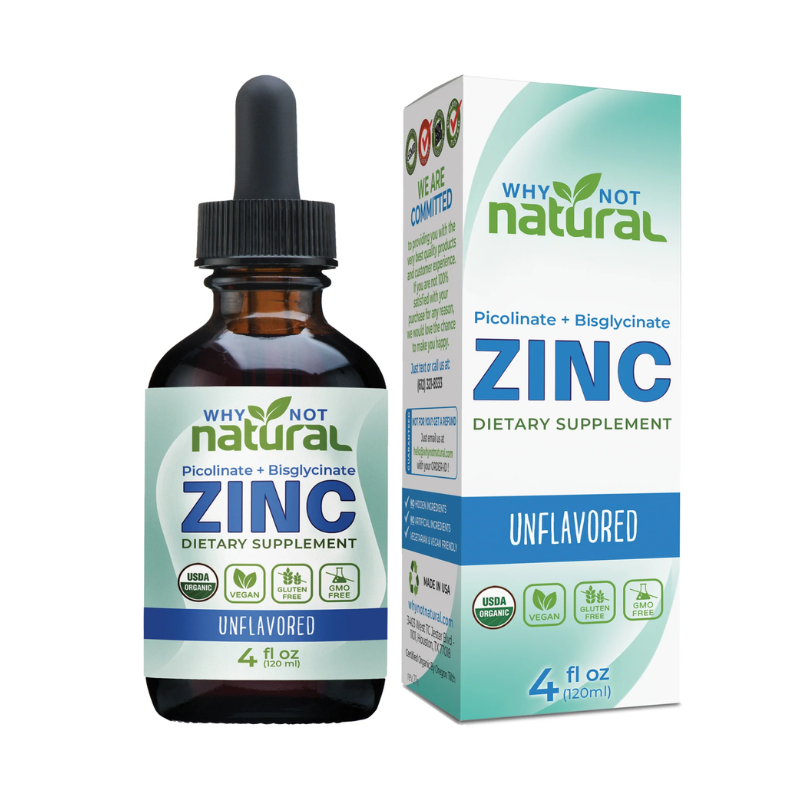
Zinc is an essential mineral involved in numerous bodily functions.
It supports:
- Immune health
- Skin health
- Normal hormone function
- Cellular repair processes
Why Not Natural's Liquid Zinc Picolinate + Bisglycinate provides zinc in highly absorbable forms.
What Are the Symptoms of Perimenopause?
Perimenopause is the transition leading up to menopause, during which estrogen and progesterone levels naturally fluctuate.
Common symptoms may include:
- Hot flashes
- Night sweats
- Irregular periods
- Mood changes
- Occasional anxiety
- Changes in libido
- Weight fluctuations
- Brain fog
- Sleep disturbances
- Fatigue
- Skin and hair changes
Every woman's experience is unique. Some symptoms may come and go, while others may persist for several years.
Understanding these changes can help you make informed decisions about nutrition, lifestyle, and wellness support.
How to Choose the Right Supplement
The best approach is to identify your primary wellness goals.
For example:
- Sleep support: Magnesium, melatonin
- Energy support: B-complex vitamins
- Stress support: Ashwagandha, Rhodiola
- Bone health support: Vitamin D3 + K2
When selecting supplements:
- Choose reputable brands.
- Look for transparent ingredient lists.
- Follow label directions.
- Discuss new supplements with your healthcare provider.
Liquid supplements may also be a convenient option for individuals who prefer alternatives to capsules.
Lifestyle Tips to Support Your Wellness During Perimenopause
Focus on Nutrition
A balanced diet rich in:
- Vegetables
- Fruits
- Lean proteins
- Healthy fats
- Fiber
can help support overall health during perimenopause.
Stay Active
Regular movement supports:
- Bone health
- Cardiovascular health
- Mood
- Energy levels
Walking, strength training, yoga, and stretching are all excellent options.
Prioritize Sleep
Aim for a consistent sleep schedule and create a relaxing bedtime routine.
Manage Stress
Activities such as:
- Meditation
- Journaling
- Deep breathing
- Spending time outdoors
can support emotional well-being and stress management.
Takeaway: Support Your Perimenopause Journey Naturally
Perimenopause is a natural life stage that affects every woman differently.
The right combination of nutrition, lifestyle habits, and carefully selected supplements may help support your overall well-being during this transition.
Why Not Natural offers products such as:
- Organic Liquid Vitamin D3 + K2
- B-Complex+ Liquid
- Liquid Zinc Picolinate + Bisglycinate
These products are designed to help support your wellness goals with convenient, easy-to-use formulations.
Remember that supplements work best when combined with healthy lifestyle habits and guidance from your healthcare professional.
FAQs
What's the best way to lose weight during perimenopause?
A balanced approach that includes nutritious foods, regular physical activity, stress management, and quality sleep can support healthy weight management. Consult your healthcare provider for personalized recommendations.
How can I support hormonal balance throughout perimenopause?
Supporting overall health through balanced nutrition, regular exercise, stress management, adequate sleep, and appropriate supplementation may help maintain wellness during perimenopause.
Always discuss new supplements with your healthcare provider before starting them.
What can help with weight gain during perimenopause?
Building muscle through resistance training, eating balanced meals, staying active, and maintaining healthy lifestyle habits may support healthy weight management during this stage of life.
Subscribe to Our Newsletter
Want more wellness tips, supplement education, and healthy living insights delivered straight to your inbox?
Subscribe to our newsletter and stay up to date with new articles, product updates, and practical strategies to support your health and vitality throughout every stage of life.
https://whynotnatural.com/pages/holistic-health-journey
Disclaimer
The statements in this article have not been evaluated by the Food and Drug Administration. The products mentioned are not intended to diagnose, treat, cure, or prevent any disease. Please check with a doctor before starting any new supplement and to ensure the advice in this article is right for you.
This website is provided for educational and informational purposes only and does not constitute medical advice or professional services.