· By Lorea Lastiri
What Supplements Are Safe During Pregnancy? (Answered!)
Are you pregnant or planning to become pregnant? If so, it is completely normal to wonder which supplements are safe to take during this delicate and exciting time. With so many products on the market, figuring out what truly supports both you and your baby can feel overwhelming.
Choosing the right supplements during pregnancy is essential, as certain vitamins and minerals play a direct role in fetal development, while others, when taken incorrectly, may pose risks.
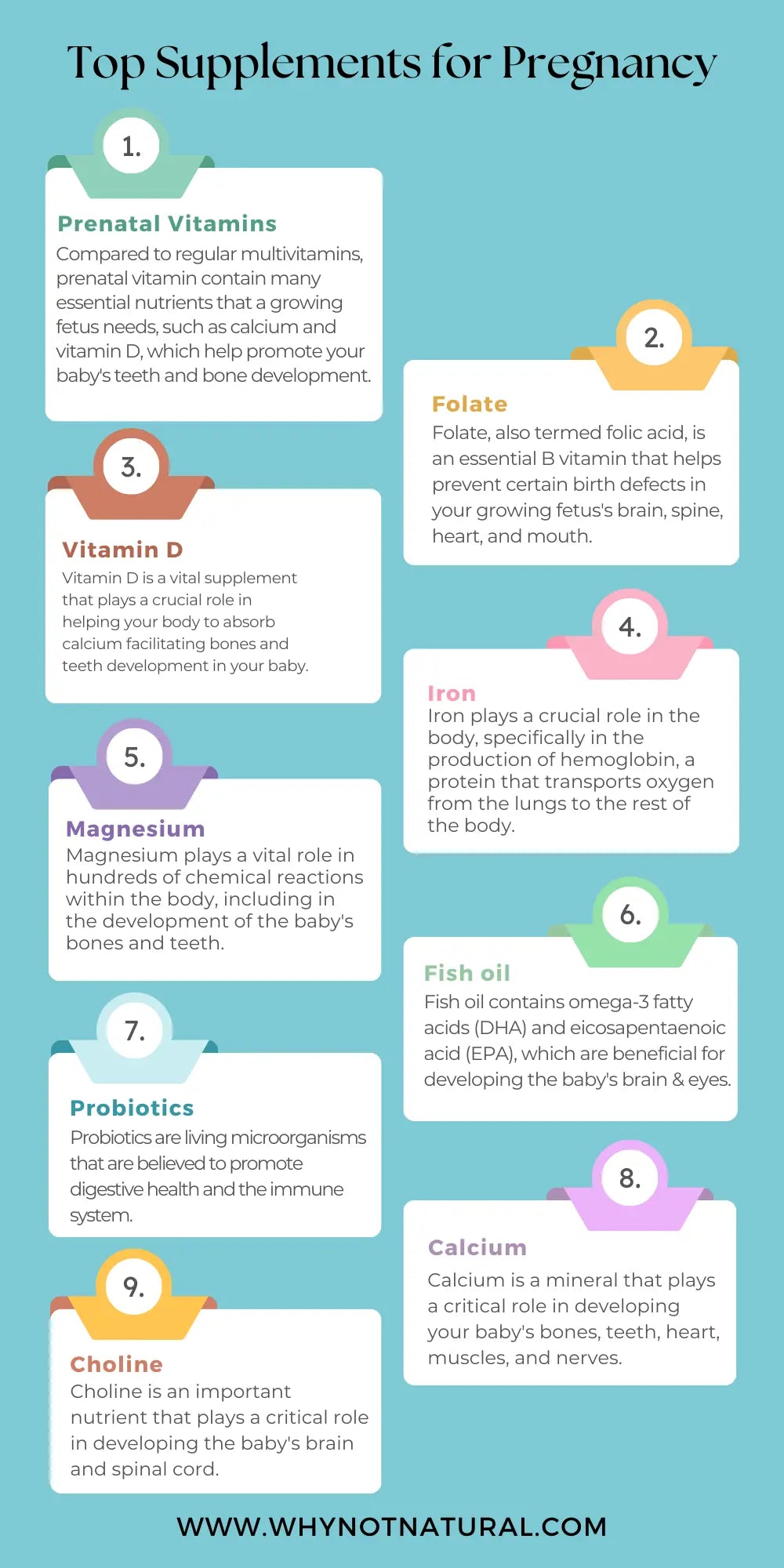
Some supplements commonly considered safe during pregnancy include:
-
Prenatal vitamins
-
Folate (folic acid)
-
Vitamin D
-
Iron
-
Magnesium
-
Fish oil (omega-3s)
-
Probiotics
-
Calcium
-
Choline
These nutrients support both maternal health and your baby’s growth and development. Taking them in appropriate, healthcare-approved amounts is key.
In addition to pregnant women, many of these supplements are also important for women who are planning to conceive and for breastfeeding mothers.
In this article, we will explore which supplements are commonly recommended during pregnancy, how to know if supplementation is necessary, which supplements to avoid, and why professional guidance matters.
Let’s begin.
Does pregnancy increase the need for nutrients?

During pregnancy, your body goes through many changes, and your nutritional needs for both macronutrient and micronutrients increases significantly to support the healthy growth and development of your child.
Pregnancy significantly increases your body’s nutritional demands. Both macronutrients and micronutrients are required in higher amounts to support the growth and development of your baby.
For example, protein needs increase from approximately 0.36 grams per pound of body weight for non-pregnant women to about 0.5 grams per pound during pregnancy.
Micronutrient needs, including vitamins and minerals, often increase even more dramatically than calorie or protein requirements. This is why a balanced, nutrient-dense diet is so important during pregnancy.
When diet alone does not meet these increased needs, supplementation may be recommended. Always consult a qualified healthcare professional before starting any supplement during pregnancy.
How do I know if I need to take supplements during pregnancy?

Generally, women of reproductive age should take prenatal vitamins regularly to help prevent potential congenital disabilities. Nevertheless, women should consult a healthcare professional, such as an obstetrician, to determine if they need to take supplements during pregnancy.
How do I know if I need supplements during pregnancy?
In general, women of reproductive age are encouraged to take prenatal vitamins to help reduce the risk of certain birth defects. However, individual needs vary.
During prenatal visits, healthcare providers often review dietary habits, food intolerances, and lifestyle factors. Blood tests may also be ordered to identify nutrient deficiencies.
Based on this information, a healthcare professional can recommend whether supplements are needed and which ones are most appropriate.
What supplements are safe and effective during pregnancy?
Always consult your healthcare provider before starting any supplement. The following are commonly recommended and widely studied for use during pregnancy.
Prenatal vitamins
Prenatal vitamins are specially formulated multivitamins designed to support the increased micronutrient needs of pregnant women.
They typically contain key nutrients such as folate, iron, calcium, and vitamin D, which support fetal bone, brain, and overall development.
Prenatal vitamins may also be taken while trying to conceive and during breastfeeding. Research suggests they may help reduce the risk of complications such as preterm birth and preeclampsia.
While beneficial, prenatal vitamins should complement, not replace, a balanced diet.
Folate (folic acid)
Folate is a B vitamin essential for preventing neural tube defects that affect the brain and spinal cord.
Women planning pregnancy are generally advised to consume at least 400 mcg daily, increasing to 600 mcg during pregnancy. In certain high-risk cases, higher doses may be recommended under medical supervision.
Folate is found naturally in leafy greens, citrus fruits, legumes, and fortified foods. Since many women do not consume enough through diet alone, supplementation is often advised.
Excess intake can be harmful, so professional guidance is important.
Vitamin D
Vitamin D supports calcium absorption and plays a key role in fetal bone and tooth development. Adequate vitamin D levels are also associated with immune health and proper cell division.
Deficiency during pregnancy has been linked to increased risks of preeclampsia, gestational diabetes, and preterm birth. Most guidelines recommend at least 600 IU daily, though individual needs may vary.
Natural sources include sunlight, fatty fish, fortified dairy products, and egg yolks.
Iron
Iron is critical for producing hemoglobin, which carries oxygen throughout the body. During pregnancy, blood volume increases, doubling iron needs.
Adequate iron intake helps prevent maternal anemia, fatigue, low birth weight, and premature birth. The recommended intake during pregnancy is about 27 mg per day, which is typically included in prenatal vitamins.
Excess iron may cause side effects unless directed by a healthcare provider.
Iron absorption can be reduced by calcium, tea, coffee, and certain plant compounds when consumed together.
Magnesium
Magnesium supports muscle, nerve, and immune function and plays a role in bone development.
Low magnesium levels during pregnancy have been associated with complications such as high blood pressure and preterm labor. Recommended intake typically ranges from 350 to 400 mg per day.
Food sources include nuts, seeds, leafy greens, legumes, whole grains, fish, and fortified foods.
Fish oil (omega-3 fatty acids)
Fish oil provides DHA and EPA, omega-3 fatty acids essential for fetal brain and eye development.
Pregnant women are generally advised to consume at least 200 mg of DHA daily and to eat 8 to 12 ounces of low-mercury seafood weekly.
High-mercury fish such as shark, swordfish, and certain types of tuna should be avoided.
Probiotics
Probiotics are beneficial microorganisms that support digestive and immune health.
Emerging research suggests probiotic supplementation during pregnancy may help reduce the risk of gestational diabetes, postpartum depression, and certain infant skin conditions.
While generally considered safe, probiotic use during pregnancy should still be discussed with a healthcare provider.
Calcium
Calcium is essential for the development of your baby’s bones, teeth, muscles, nerves, and heart.
Pregnant women need approximately 1,000 mg per day. If dietary intake is insufficient, supplementation may be recommended.
Adequate calcium intake also protects maternal bone health, reducing the risk of osteoporosis later in life. Vitamin D supports calcium absorption and bone health.
Choline
Choline plays a vital role in fetal brain and spinal cord development. Recommended intake during pregnancy is at least 450 mg per day, though some experts suggest higher amounts may be beneficial.
Choline-rich foods include eggs, meat, dairy products, legumes, and nuts. Since choline is not typically included in prenatal vitamins, dietary intake is especially important.
What supplements should be avoided during pregnancy?
Certain supplements and excessive vitamin doses may be harmful during pregnancy.
High doses of vitamins A, B6, C, D, or E should be avoided unless prescribed. Herbal supplements can also pose risks.
According to the American Pregnancy Association, supplements commonly discouraged during pregnancy include:
-
Saw palmetto
-
Goldenseal
-
Tansy
-
Dong Quai
-
Red clover
-
Ephedra
-
Yohimbe
-
Angelica
-
Roman chamomile
-
Pennyroyal
Always consult a healthcare professional before using any supplement.
Takeaway: Supporting a healthy pregnancy
Pregnancy places increased demands on your body, making proper nutrition and thoughtful supplementation essential.
Commonly recommended supplements include prenatal vitamins, folate, vitamin D, iron, magnesium, fish oil, calcium, probiotics, and choline. Just as important is avoiding supplements that may pose risks.
Always follow professional medical guidance and recommended dosages to support both maternal and fetal health.
Invitation to Subscribe to Our Newsletter
Want reliable, easy-to-understand guidance on supplements, nutrition, and wellness? Subscribe to our newsletter for expert-backed tips, practical health insights, and updates on natural supplementation to support your well-being at every stage of life. https://whynotnatural.com/pages/subscribe